
Mastering the art of bluffing in casino card games
Understanding the Concept of Bluffing
Bluffing is an essential strategy in various card games, particularly in poker, where players attempt to win pots by misleading opponents regarding the strength of their hands. At its core, bluffing relies heavily on psychological tactics and an understanding of human behavior, similar to how online gamblers navigate platforms like https://pharmxtra.co.uk/ to maximize their chances of success. Successful bluffers can create scenarios where their opponents fold despite having a stronger hand. This art of deception requires not only confidence but also a fine-tuned ability to read the table and gauge the reactions of fellow players.
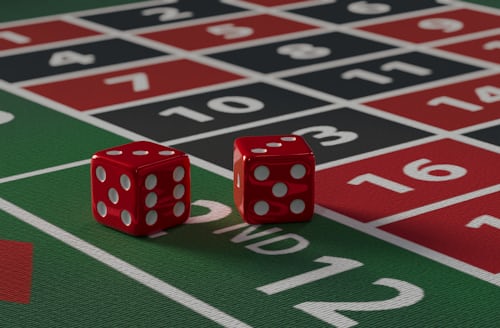
A fundamental aspect of bluffing involves understanding the stakes and the dynamics of the game being played. Different card games provide unique environments for bluffing strategies. For instance, in no-limit poker, the stakes can escalate quickly, necessitating a more aggressive approach. Conversely, in fixed-limit games, bluffing may carry less weight due to the capped betting rounds. Knowing when and how to bluff effectively can often tip the balance in your favor, particularly against inexperienced players who may not recognize the signs.
Moreover, bluffing isn’t just about playing cards; it encompasses a psychological game where body language, voice inflection, and timing all play crucial roles. Observing the behavior of your opponents can yield vital clues as to whether they are likely to call or fold in response to your actions. A well-timed bluff can create doubt and fear in opponents, leading them to make costly mistakes. Thus, mastering the psychological elements intertwined with the technical aspects of bluffing is imperative for those hoping to excel in the world of casino card games.
The Mechanics of a Successful Bluff
Executing a successful bluff requires a blend of timing, knowledge of your opponents, and self-awareness. Timing is critical; a bluff that comes too early might be ignored, while one that’s too late could appear desperate. The ideal moment to deploy a bluff typically coincides with a turn of events in the game—such as a surprising card reveal—that affects the perceived strength of hands in play. Recognizing these pivotal moments can drastically improve your chances of success when attempting to convince others that you possess a dominating hand.
Furthermore, understanding the tendencies and personalities of your opponents can significantly influence the success of your bluff. Some players are more prone to calling bets due to their risk-averse nature, while others might be inclined to fold at the slightest hint of uncertainty. Tailoring your bluff according to the characteristics of your opponents can enhance its effectiveness. For instance, if you know a fellow player is aggressive and tends to call frequently, bluffing against them may require a more substantial bet to persuade them to fold.
Another crucial element in bluffing is consistency. If you regularly play aggressively, opponents might start to recognize your patterns and could be less likely to believe your bluffs over time. Conversely, if you typically play conservatively, an unexpected aggressive move can create doubt and uncertainty. The art lies in balancing your play style to create a facade that maximizes your chances of getting away with bluffing when it truly matters. By refining your strategy and being mindful of your table image, you can maintain the element of surprise that is vital for effective bluffing.
Recognizing and Responding to Opponents’ Bluffs
Understanding the intricacies of your opponents’ potential bluffs is an equally important part of mastering card games. Players may not only be bluffing against you; they can also be using their own strategies to deceive others at the table. By becoming adept at recognizing the signs of a bluff—such as sudden changes in betting patterns, physical tells, or an unusual level of confidence—you can potentially save yourself from unnecessary losses.
When an opponent engages in a bluff, their body language may communicate more than their words. Subtle changes, such as fidgeting with chips or avoiding eye contact, can betray a player’s nervousness. It’s crucial to remain observant and interpret these signals accurately. However, recognizing a bluff is just as much about knowing your own tendencies and how they might be perceived by others. If you’re one who often engages in bluffs, your opponents will be more alert to your betting patterns and behaviors.
Responding to a suspected bluff can involve several strategies. You may choose to call their bet to see their actual hand, or you might opt to raise the stakes, thus putting pressure on the bluffing player. Each decision can have significant implications, not only in the current round but also in the overall game’s psychology. Effectively managing your position in relation to both the board and your opponents requires a balanced approach that weighs risk versus reward. By mastering the art of recognizing others’ bluffs and crafting your responses, you bolster your own game and fortify your standing at the table.
Common Mistakes to Avoid While Bluffing
While bluffing can be a powerful tool, it’s fraught with potential pitfalls that can derail even the most seasoned players. One common mistake is over-bluffing—where a player employs bluffing tactics too frequently. This strategy can backfire, causing opponents to catch on and call more often, thus diminishing the effectiveness of future bluffs. Being mindful of the frequency and context in which you decide to bluff is essential to keep your opponents guessing.
Another mistake that players often make is bluffing without adequate backing. A bluff is significantly more convincing when supported by a credible narrative; for example, if the board texture suggests a strong hand is possible, it can lend more weight to your bluff. If the situation does not support a plausible assertion of strength, your chances of success diminish rapidly. It’s crucial to assess the community cards and the potential hands your opponents may hold before committing to a bluff.
Lastly, a player’s emotional state can heavily impact their bluffing strategy. Going on tilt—playing recklessly due to emotional distress—can lead to rash decisions and ill-timed bluffs. Maintaining composure and being aware of your psychological state during gameplay is essential for making sound decisions. Thus, the art of bluffing must be approached with a level head, enabling players to make calculated decisions that maximize their chances of success without succumbing to impulsive errors.
Exploring More About Gambling Strategies and Resources
For players looking to expand their understanding of bluffing and other gambling strategies, numerous resources are available that delve into the nuances of card games. Websites and platforms dedicated to gaming strategies often provide insights from seasoned players, offering advice on not only bluffing mechanics but also on enhancing overall gameplay. Engaging in online forums and communities can facilitate discussions that illuminate different techniques and experiences shared by fellow enthusiasts.
In addition to online resources, books authored by professional players can serve as excellent guides for mastering the art of bluffing and the broader strategic elements of card games. Many players have documented their journeys and shared tips that can significantly accelerate your learning curve. Analyzing these detailed accounts can provide you with practical insights that you may not encounter in typical gameplay.
Ultimately, mastering the art of bluffing in casino card games is an evolving skill that requires practice, patience, and dedication. By continuously refining your strategies and learning from both your successes and failures, you can elevate your gameplay and enhance your overall experience. Whether you play for fun or seek serious competition, the art of bluffing will remain a critical component of your card-playing arsenal.

Comentarios recientes